Emotional intelligence (EI) has been mentioned in the media lately and how we all would be better off if people, especially our leaders and those in power, would display it. EI is a measure of our ability to be aware of, understand and manage emotions in self and others. If you possess good emotional intelligence you will be better able to handle everyday stress, develop and maintain more meaningful close relationships, be more socially competent and will experience higher levels of wellbeing. It also helps us to use our emotion to enhance performance and create better lives for ourselves and others. If those benefits don’t motivate you to work on your EI nothing will!
The following is mainly extracts from my book, Emotion Healed and Harnessed – create the life you desire with flower essence, meditation & emotion-focused therapies.
DIMENSIONS OF EMOTIONAL INTELLIGENCE (EI)
In Positive Psychology EI is viewed as having four dimensions:
- Noticing and understanding emotions in oneself.
- Noticing and understanding emotions in others.
- Effective regulation of emotion in oneself.
- Using emotions to facilitate performance.
My Fifth Dimension of EI:
- Harnessing emotion to create your desired life (your future.)
1. Noticing and understanding emotions in oneself.
A person with high ability in this area will have:
- self-awareness of emotions, thoughts and physical sensations—a well-developed interoceptive ability
- the ability to sense, acknowledge and allow emotions to be present and attended to
- the ability to name the emotions you are feeling; broad emotional vocabulary
- Noticing and understanding emotions in others.
The second dimension of EI relates to the ability to perceive and understand emotions in other people.
A person with high ability in this area will have:
- awareness and understanding of emotional signs in others
- the ability to infer emotions in others from verbal and nonverbal signs (e.g. body language, facial expressions etc.)
- the ability to display empathy**—an essential element of high EI
**It should be noted here that highly sensitive persons (HSPs), because of their strong natural empathy are very susceptible to the overt and covert feelings generated by others. HSPs think and feel very deeply and cannot help but notice the nuances of their interactions with others: ‘HSPs are keenly aware of the moods and emotions of other people and are readily affected by them, rapidly responding to the slightest stimulus and gaining much more information than less sensitive people from nonverbal clues. Genuine empathy— understanding how someone is feeling and sharing their emotion—comes naturally to them’ (Wells, Embracing the Gift of High Sensitivity p. 41). In one experiment, researchers (Dimitroff et al., 2017) found that around a third of those who volunteered to take part in the experiment (which happens to be around the proportion of HSPs in the general population) experienced a surge in levels of the stress hormone cortisol just watching other people undergoing a stressful experience. This is called subconscious emotional contagion. Sensory cues provide information about someone else’s fear or anger, and a highly sensitive person will be more receptive to this information and will respond— in some cases, as the research showed, deeply enough to affect them physiologically. Emotional contagion is thought to be the basis on which empathy is built. Emotions are contagious because of mirror neurons in the brain (Wells, Embracing the Gift of High Sensitivity p. 42). Hence, when HSPs are relating to others in everyday life, they need to protect themselves by maintaining boundaries, especially those of a more subtle nature, even more than others who are less sensitive.
A wonderful flower essence for emotional boundaries is Pink Yarrow (FES group). I have a strong personal relationship with Pink Yarrow—and no, I don’t have ‘deep and meaningfuls’ with it in my garden, although I do glance at it fondly! It has helped many clients and me to protect our highly sensitive natures so that we can embrace it for the gift it is and utilise it beneficially without it becoming our Achilles’ heel!
Negative state
Overly sympathetic—‘psychic sponge’; lacking emotional boundaries (FES)
Positive state
‘Self-contained consciousness’ (FES) while maintaining empathy; emotional clarity; acknowledging others’ feelings without taking them on yourself
(Wells, Essential Flower Essence Book p. 277)
- Effective regulation of emotion in oneself.
The third dimension of EI involves the ability to effectively deal with one’s own emotions. Emotional self-regulation helps people cope better, and display resilience and sociability.
People with high capability in this respect will be able to:
- choose how to respond to emotions (theirs and others)
- think/pause before they act – not be impulsive and be at the mercy of their emotions. This helps people to make the best decisions in life.
- separate emotions from logical understanding and have awareness of how their emotions influence their world view
- Using emotions to facilitate performance
The fourth dimension of EI relates to the ability to make use of emotions adaptively by directing them toward constructive activities and personal performance.
A person who is highly capable in this respect is able to:
- self-motivate to continuously do better, by allowing emotions to inform them about their needs, values, goals and life purpose
- use emotions to help manage difficult circumstances and cope in positive and productive ways
- use emotions to help influence and manage social relationships
Emotionally intelligent people know how to use their emotions to support a successful, purposeful life that is in line with their values so that they can reach their goals and grow personally.
In my book, Emotion - Healed and Harnessed, I dared to add a fifth dimension.
My Fifth Dimension of EI:
- Harnessing emotion to create your desired life (your future)
Emotion is the creative and transformative force in life. As psychotherapist Mihaela Ivan Holtz puts it: ‘You need to access your emotions to make your art, perform, or accomplish your goals. Emotions are your creative power’ (Creative Minds). The writer Arnold Bennett goes further, stating: ‘There can be no knowledge without emotion. ... To the cognition of the brain must be added the experience of the soul’ (Journals, 1932).
The quality of our consciousness in any given moment determines who we are now and in the future. There is one flower essence in particular that has helped myself and many of my clients over the years to subtly change their ‘consciousness’, and so their future, for the better. It is the Bach Flower Willow. Taking Willow helps you change the type of negative emotion you are feeling, but not the emotional intensity. In the transformation process it enables you to “evoke positive emotions, with the same intensity, in [yourself] which is essential to change the experience of your present and future.” Willow Bach Flower helps to foster resilience after hurts and setbacks, so that we don’t get stuck in resentment and feelings of being a victim. The consequence is the manifestation of better, more desired life circumstances.
Negative state
Victim mentality—‘poor me’; wallowing in resentment—‘why me?’
Positive state
Self-determination; emotional resilience (Wells, Essential Flower Essence Book p. 369)
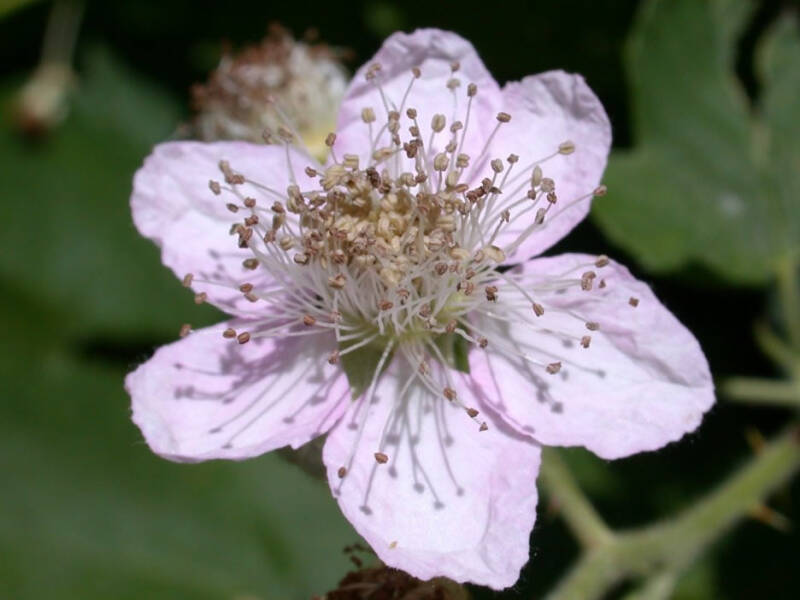
Blackberry flower essence has also helped many of my clients change their future by making happen what they desire to happen in their lives. The blackberry plant is very resilient, tenacious and persistent. Blackberry helps us develop persistence, patience and the discipline required to achieve any worthwhile goal. Just as we must wait for the fruit to ripen to full sweetness, we must persist and endure difficulties so that we may ultimately taste the sweetness of victory (Wells, Essential Flower Essence Book p. 106).
Negative state
Procrastination—‘where do I start?’; ‘inability to translate goals and ideals into concrete action’(FES)
Positive state
Purposeful and decisive action; resilient, tenacious and ‘fully grounded’
Finally, changing our reality by harnessing emotion is not magic, it happens within us and our lives every day in all sorts of minor and major ways. We are the architects of our emotional experience of life. We construct our own perceptions of our world, and that ultimately determines our reality and future.
AI can never possess real human EI!!!


Add comment
Comments